
The team member who never complains, never gets tired, and does exactly what you tell them to
I lead a real team. I am CTO at Edensdigital, which means I brief people, delegate work, review what comes back, and give feedback when something misses the mark. That is a skill I built slowly, through actual mistakes, actual awkward conversations, actual moments of realising I had explained something badly and it was my fault, not theirs.
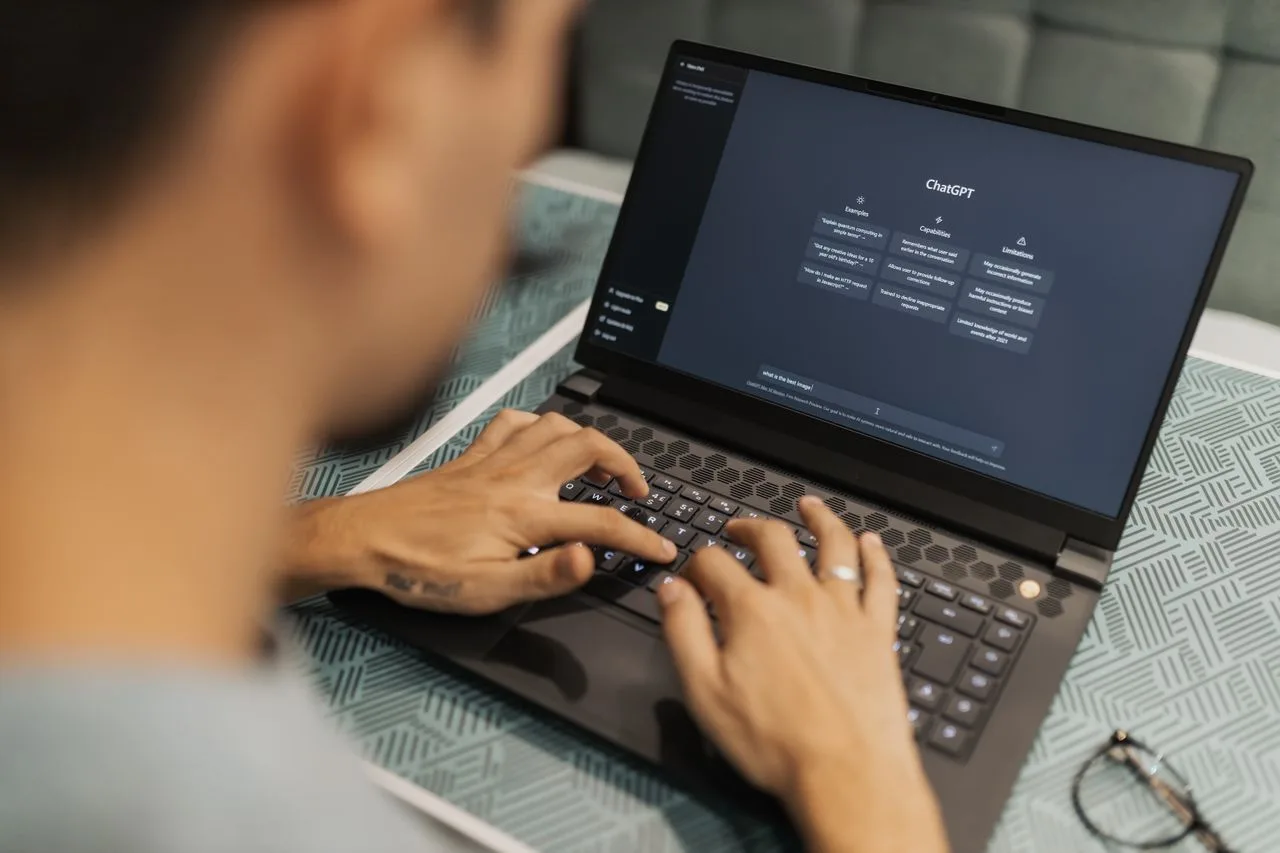
Then I started working with AI seriously. Not casually, the way most people use it to draft an email or summarise an article, but as an actual working collaborator. I built an entire content system through Claude: a workflow that interviews me about a topic, writes in my voice, generates graphics that match my brand, and files the finished work exactly where it needs to go. I run this the way I would run a project with a capable teammate.
And somewhere in the middle of building that system, it hit me. This is not new. I have done this before. I am just doing it with a different kind of team member.
Bad instructions produce bad results, whether the recipient is human or not
Here is the pattern I noticed, and once you see it, you cannot unsee it.
If you hand a new employee a vague, one-line instruction and walk away, you get vague, mediocre work back. Not because the employee is incapable. Because they had nothing solid to work from. They filled the gaps with guesses, and guesses are rarely as good as the specific thing you actually wanted.
Working with AI produces the exact same pattern, for the exact same reason. Feed it a lazy prompt with no context, and you get a lazy, generic answer. Feed it the context a competent teammate would need on day one, the background, the constraints, the actual goal, and something completely different happens. The output gets sharper. It starts anticipating things you did not explicitly say, the way a good employee eventually learns to think a step ahead of you.
This is not a coincidence. It is the same underlying discipline wearing two different costumes.
What good direction actually looks like when working with AI
The specific skill that matters most, in my experience, is not creativity or technical knowledge. It is clarity. Giving direction specific enough to act on, instead of vague enough to guess at.
A good leader does not say “make this better” and walk away. They say what “better” means, in concrete terms, before the work even starts. The same discipline applies directly to working with AI: context up front beats corrections after the fact, every time.
The uncomfortable part
Here is where I have to be honest, because I think this is the part that actually matters.
If your results from working with AI keep disappointing you, the easy move is to blame the tool. Say it is overhyped. Say it does not really understand what you need. Say the technology is not there yet.
But here is the question I had to ask myself. If a new hire on my team kept producing weak work, would I really conclude the person was hopeless? Or would I go back and check whether I had actually briefed them properly in the first place?
AI does not expose a skill gap in the technology. It exposes whether you actually know how to lead. It has no ego to manage, no fear of asking a follow-up question that makes you check your own work. It just mirrors exactly the quality of direction you gave it, instantly, every single time. There is nowhere to hide behind that.
A title never made anyone a good leader. People, and it turns out AI too, respond to actual direction, not to authority you assume you are owed.
What this changed about how I lead
Since noticing this, I lead differently on both sides. When I brief my team at Edensdigital, I catch myself being more deliberate about giving context upfront instead of correcting mistakes after the fact. And when I am working with AI on this content system, I stopped treating a weak result as the tool’s failure and started treating it as a signal to go back and communicate better.
The parallel is not a gimmick. It is the same leadership muscle, and building it in one place strengthens it in the other.
If you want to know how good a leader you actually are, stop asking your team. Open a conversation and try working with AI on something that matters, then pay very close attention to what comes back. It will tell you the truth faster than anyone on your payroll ever will.
I wrote a shorter version of this argument on LinkedIn, where I put it more bluntly: stop blaming the robot. If you have not seen it yet, I would genuinely like to know whether you have noticed this pattern too, or whether I am reaching.
